Robotics engineer at Northeastern University. I build systems that perceive, decide, and move. From VLA models on 7-DoF arms to autonomous legged robots in disaster environments.
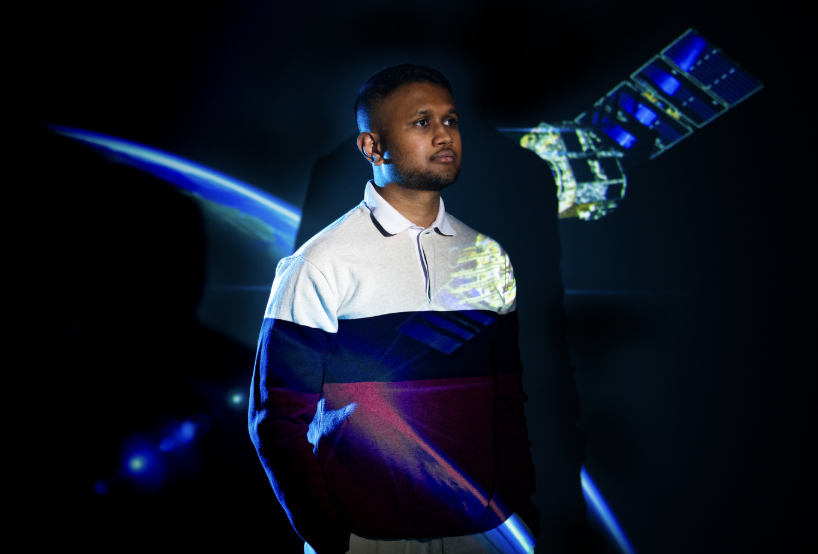
Interviewed by Northeastern University News for contributions to Space Station OS, an open-source ROS 2 platform simulating ISS-inspired life support, thermal control, and electrical power subsystems.
Read the article →From imitation-learned VLA policies to MPC-based autonomous racing and open-source space systems. Every project here was deployed, not just simulated.
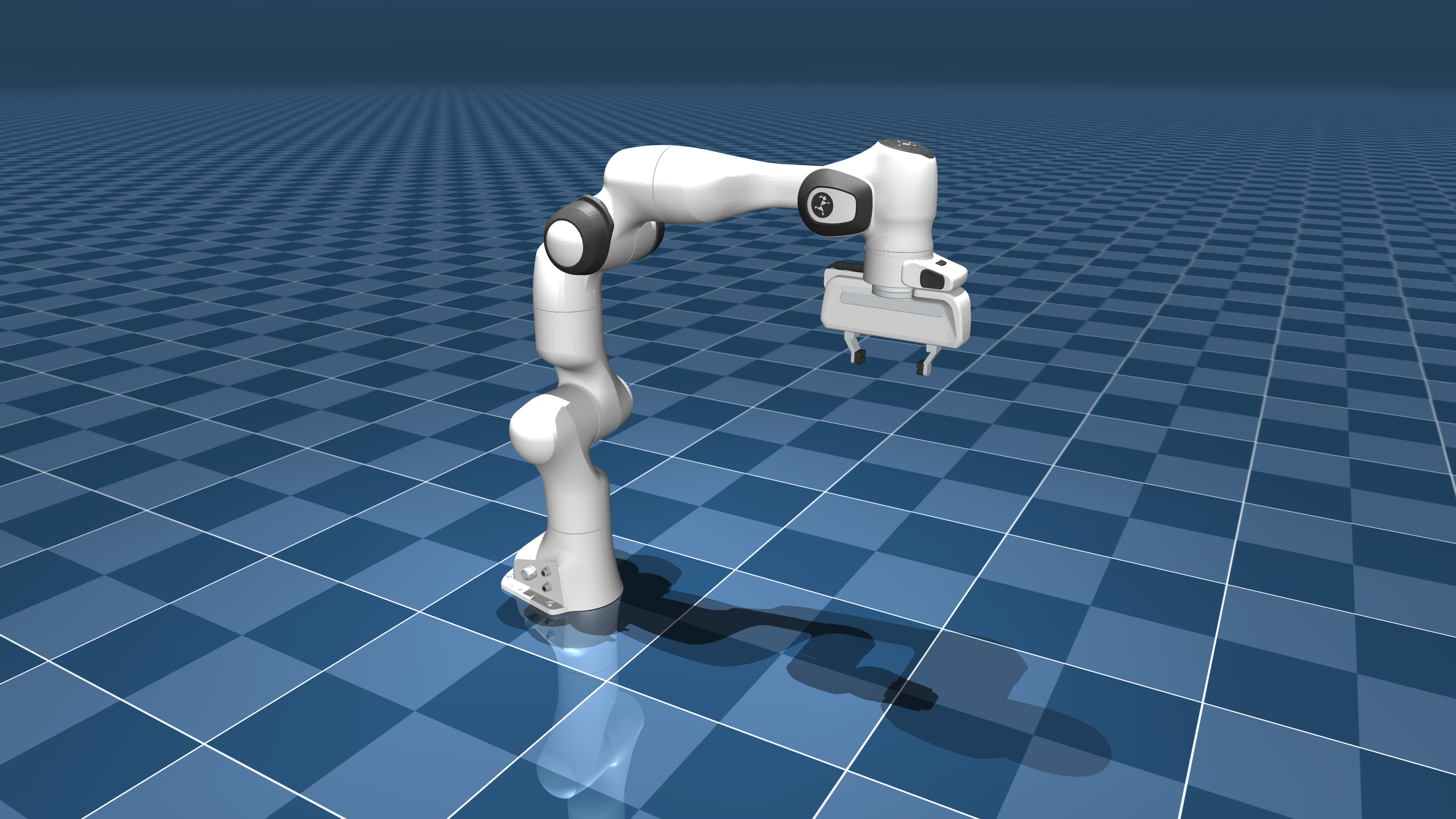
End-to-end multimodal policy built from scratch. Dual-camera ViT encoders, PaliGemma tokenizer, 4-layer Transformer, 50-step action chunking. Deployed on a physical 7-DoF arm with over 90% success on screwdriver retrieval.
View project →MPC trajectory tracking and MPCC racing-line control with CasADi and IPOPT. Dynamic rollout planning with RK4. Deployed on a real Ackermann platform.
View project →
RL-trained locomotion in Isaac Lab composed with ROS 2 Nav2 for GPS-denied indoor navigation in disaster-inspired environments.
View project →
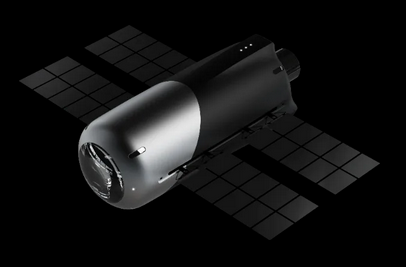
Modular ROS 2 platform simulating ISS-inspired life support, thermal control, and electrical power. Featured by Northeastern University.
View project →Comparative missile autopilot study across SFI, LQR, and MPC on short-period longitudinal dynamics. MPC achieved fastest time-to-target at 8s with lowest total control effort.
View project →
Classical pipeline with HSV perception, Pinocchio IK, and OMPL RRTConnect. Evolved to a PPO-based policy trained in MuJoCo for adaptive pick and place.
View project →
Outdoor delivery robot for last-mile logistics in communities. Autonomous navigation, obstacle avoidance, and delivery coordination.
View project →Robotics engineer at Northeastern University working across autonomy, manipulation, and space systems. My focus is building systems that work on real hardware, not just in simulation.
I've deployed imitation-learned VLA policies on 7-DoF arms, built MPC controllers for autonomous racing, contributed to open-source space station software, and trained legged robots for disaster response. All with a bias toward real-world validation.
Open to research collaborations, engineering roles, and conversations about autonomy, manipulation, or space systems. Grab a coffee chat or send a message.
[email protected]